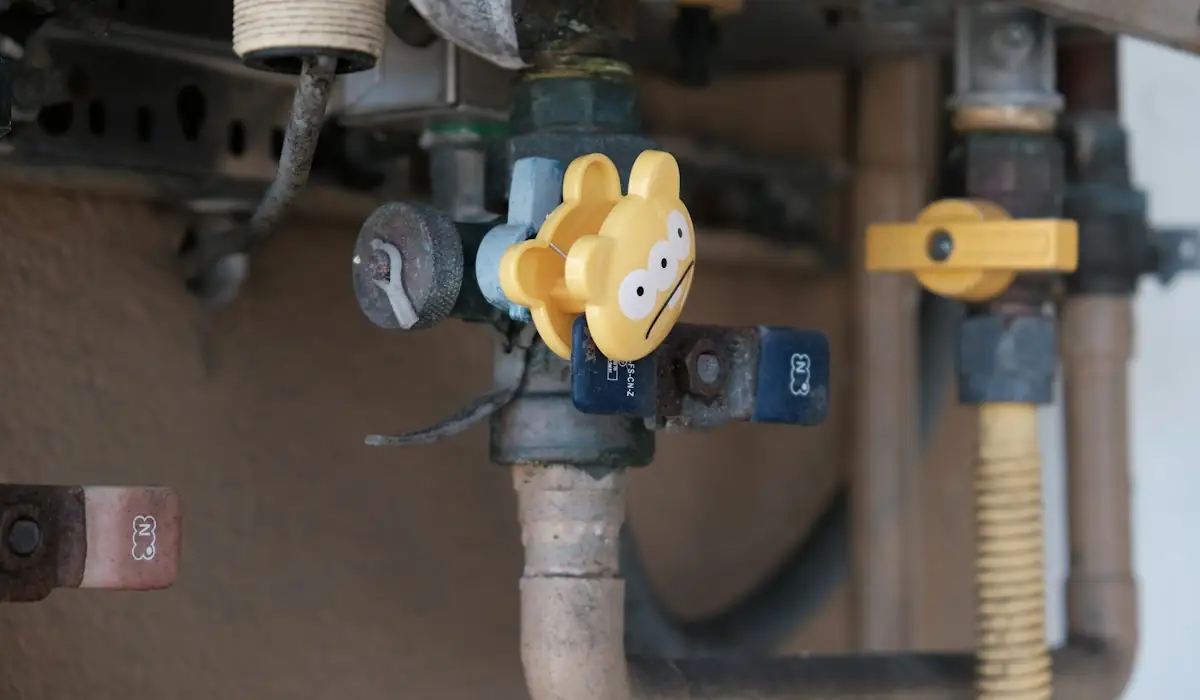
The removal
With gas and cold supply closed, we empty the old tank by hose to the floor drain, disconnect the gas, venting and water lines, and carry it out. Utility rooms in Milton basements are often tight, so we clear a path first.
Signs this is the job you need
- Tank leaking from the bottom
- Rating plate shows a tank past its tenth birthday
- Rusty hot water
- Not enough hot water for the household
- Repeated repairs in a short time
Talk it through with a plumber
One call to (365) 364-2776 reaches someone who can tell you what the job involves and when a van can be at the door.
How the work goes
- We confirm sizing and venting needs.
- We drain and remove the old tank.
- We set and connect the new tank.
- We leak-test gas and water connections.
- We light, test and explain the controls.
The new tank
We set the new tank level, often on a drain pan, connect new flexible water connectors and a new relief valve discharge line pointed at the floor. Venting is matched to the tank: natural-draft heaters breathe up a lined chimney or B-vent, power-vent heaters push exhaust sideways through a plastic flue.
- The gas line is connected and leak-tested.
- Once the tank is full and air is bled from the hot taps, the burner is lit and the thermostat dialled in.
- An expansion tank may be needed, especially if your home has a pressure-reducing valve or check valve.
Asked on the phone line
Do I need a permit?
Gas appliance installs must follow Ontario rules and be done by licensed people. We handle what is required.
Can I upsize my tank?
Often, if venting and gas supply allow.
How a call to us runs
- You ring (365) 364-2776 and a person picks up, not a menu.
- We ask where the water is, what you have already shut off and what decade the building went up in.
- We say when the van should pull up and what to do until it does.
- On site we show you the fault, give a firm price before starting and clean up after.
Phone booking keeps things quick: no forms, no portals, no follow-up emails trying to sell you a maintenance plan.